
In the world of interior design, few elements convey elegance, durability, and timeless appeal quite like high‑end wooden tables and chairs. Whether you are furnishing a grand dining hall, a refined home office, or a cozy living room, the choice of premium wood furniture can define the atmosphere of a space. This comprehensive guide will explore the intricacies of selecting, caring for, and appreciating luxury wooden furniture, delving into the materials, craftsmanship, design trends, and practical considerations that define this enduring category.
Có thể bạn quan tâm: Ai Là Triệu Phú Ghế Nóng 2010: Nguyên Khoa Và Những Khoảnh Khắc Đỉnh Cao Của Chương Trình
1. Understanding the Essence of High‑End Wooden Furniture
1.1. Defining “High‑End”
The term “high‑end” in the context of wooden tables and chairs typically refers to pieces that combine exceptional materials, meticulous craftsmanship, and thoughtful design. Unlike mass‑produced items, high‑end furniture often features:
- Solid wood construction rather than veneer or composite materials.
- Hand‑crafted joinery such as mortise‑and‑tenon, dovetail, or dowel joints.
- Customizable options including size, finish, and ergonomic considerations.
- Sustainable sourcing from responsibly managed forests.
These attributes not only enhance aesthetic appeal but also contribute to longevity, making such pieces heirloom‑worthy.
1.2. The Significance of Wood Species
The species of wood used is a primary determinant of a piece’s character, durability, and price point. Below are some of the most prized woods in luxury furniture:
| Wood Species | Characteristics | Typical Uses | Approximate Price Range (USD) |
|---|---|---|---|
| Mahogany | Rich reddish‑brown, straight grain, excellent workability | Dining tables, executive desks | $2,000–$10,000 |
| Walnut | Dark chocolate tone, fine grain, strong | Chairs, coffee tables | $1,500–$8,000 |
| Cherry | Warm amber hue, smooth grain, ages beautifully | Kitchen tables, sideboards | $1,200–$6,000 |
| Maple | Light, uniform texture, hard and dense | Office chairs, modern tables | $1,000–$5,000 |
| Oak (White/Red) | Pronounced grain, sturdy, affordable | Farmhouse tables, rustic chairs | $800–$4,000 |
| Teak | Oily, weather‑resistant, golden brown | Outdoor furniture, high‑end dining | $2,500–$12,000 |
| Ebony | Extremely dark, dense, rare | Accent chairs, luxury consoles | $5,000–$20,000+ |
When selecting a piece, consider how the wood’s color and grain pattern will interact with existing décor, lighting, and the room’s overall aesthetic.
2. Craftsmanship and Construction Techniques
2.1. Joinery Methods
The method by which wooden components are joined directly influences a piece’s strength and longevity. High‑end furniture often employs traditional joinery, which avoids reliance on metal fasteners. Key techniques include:
- Mortise‑and‑Tenon: A protruding tenon on one piece fits into a mortise (hole) on another, creating a robust interlocking joint.
- Dovetail Joints: Recognized by their trapezoidal shape, these are commonly used in drawer sides and chair backs, offering exceptional resistance to pulling forces.
- Dowel Joints: Cylindrical wooden pins align and secure components, providing a clean appearance.
- Biscuit Joints: Thin oval-shaped wooden biscuits are inserted into slots, aligning pieces for glue‑up.
2.2. Finishing Processes
A finish not only protects the wood but also accentuates its natural beauty. Premium finishes include:
- Oil‑Based Stains: Penetrate deep, enhancing grain while providing a warm tone.
- Water‑Based Stains: Offer a broader color palette with lower odor and faster drying times.
- Lacquers: Provide a durable, high‑gloss or matte surface; often used in contemporary designs.
- Waxes and Oils: Such as beeswax or linseed oil, they impart a soft sheen and allow the wood to breathe.
Artisans may apply multiple layers, sanding between each to achieve a smooth, glass‑like surface.
2.3. Hand‑Carving and Detailing
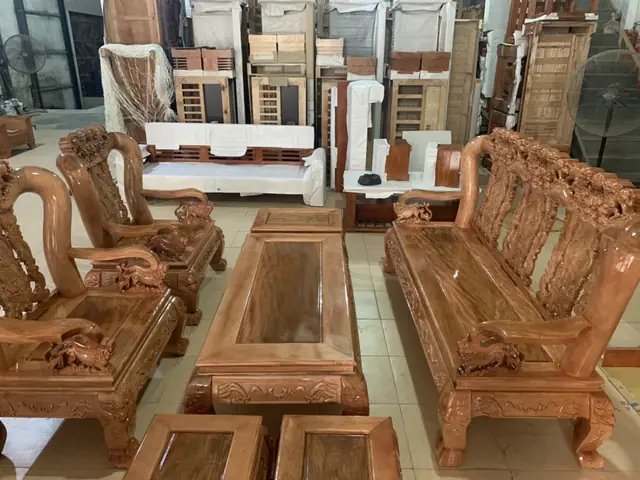
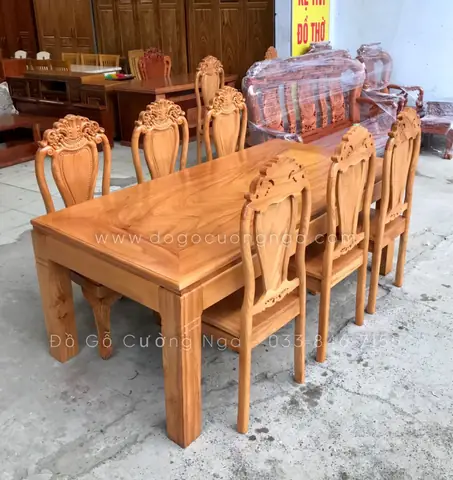
In bespoke pieces, hand‑carving adds unique artistic elements. Motifs ranging from classical acanthus leaves to modern geometric patterns can be incorporated into table legs, chair backs, or aprons, elevating the furniture from functional to sculptural.
3. Design Styles and Trends
Có thể bạn quan tâm: Bàn Ghế Gỗ Hương 2026: Xu Hướng, Giá Cả, Review Và Hướng Dẫn Mua Bán Đỉnh Cao
3.1. Classic Elegance
Traditional designs—such as Queen Anne, Chippendale, and Empire—remain popular in formal settings. Characteristics include:
- Curved legs (cabriole) and ornate stretchers.
- Inlays of contrasting woods or mother‑of‑pearl.
- Tufted upholstery on chairs, often in velvet or leather.
These pieces convey opulence and are frequently found in historic homes or luxury hotels.
3.2. Modern Minimalism
The minimalist aesthetic emphasizes clean lines, simple forms, and an absence of extraneous ornamentation. Features include:
- Straight, tapered legs.
- Use of raw or lightly finished wood to showcase natural grain.
- Integration with metal or glass accents for a contemporary feel.
Mid‑century modern designs, such as those by Hans Wegner or Charles and Ray Eames, continue to influence this style.
3.3. Rustic and Farmhouse
Rustic wooden furniture celebrates imperfections, such as knots, live edges, and weathered finishes. Common elements:
- Reclaimed barn wood or distressed planks.
- Chunky, solid constructions with visible joinery.
- Warm, earthy tones like honey, walnut, or aged oak.
This style creates a cozy, inviting atmosphere, ideal for country homes or casual dining spaces.
3.4. Sustainable and Eco‑Conscious Design
With growing environmental awareness, many designers are prioritizing sustainably sourced woods, non‑toxic finishes, and modular designs that allow for repair or upgrade. Certifications such as FSC (Forest Stewardship Council) ensure responsible forestry practices.
4. Selecting the Right Piece for Your Space
4.1. Assessing Functionality
Before choosing a table or chair, consider its intended use:
- Dining Tables: Should accommodate the number of guests regularly hosted, with enough clearance for chairs and movement. A typical rule is 24–30 inches per person.
- Desks: Require ergonomic height (28–30 inches) and sufficient surface area for a computer, documents, and accessories.
- Living Room Coffee Tables: Ideally 16–18 inches high, with a shape that complements seating arrangement.
- Accent Chairs: Provide additional seating while enhancing décor; consider comfort and style alignment.
4.2. Measuring and Spatial Planning
Accurate measurements prevent costly mistakes. Use the following steps:
- Floor Plan: Sketch the room layout, noting doorways, windows, and traffic flow.
- Clearance: Ensure at least 30–36 inches of space between a table and surrounding furniture for easy movement.
- Proportion: A large room can handle a substantial table (e.g., 8‑ft rectangular), while smaller spaces benefit from round or extendable designs.
4.3. Aesthetic Harmony
Coordinate wood tones with existing elements:
- Color Palette: Warm woods (cherry, mahogany) pair well with earth tones; cooler woods (ash, maple) complement modern palettes.
- Texture: Contrast smooth polished surfaces with textured accessories (e.g., woven baskets, linen cushions).
- Style Consistency: Mixing styles can be effective if anchored by a common motif, such as metal accents or a shared color scheme.
5. Care and Maintenance
5.1. Routine Cleaning
- Dusting: Use a soft microfiber cloth to remove dust without scratching.
- Spills: Wipe immediately with a damp cloth; avoid excessive moisture.
- Cleaning Solutions: Mild soap and water are sufficient for most finishes; avoid harsh chemicals.
5.2. Periodic Maintenance
- Polishing: Apply a high‑quality furniture polish or wax every 6–12 months to restore luster.
- Re‑finishing: Over time, surfaces may wear; professional re‑staining or varnishing can revive appearance.
- Climate Control: Maintain stable humidity (40–60%) to prevent warping or cracking.
5.3. Protection Strategies
Có thể bạn quan tâm: Bàn Ghế Gỗ Cafe 2026: Top Mẫu Mới, Xu Hướng Thiết Kế, Giá Thành Và Kinh Nghiệm Chọn Lựa Tối Ưu
- Coasters: Use felt or cork coasters to shield surfaces from heat and moisture.
- Sunlight: Position furniture away from direct UV rays to prevent fading.
- Moving: Lift rather than drag to avoid damaging legs or joints.
6. Investment Considerations
6.1. Cost vs. Value
High‑end wooden furniture often commands a premium price due to material and labor costs. However, it offers long‑term value through:
- Durability: Properly constructed pieces can last generations.
- Resale Value: Antique or well‑maintained furniture retains or appreciates in value.
- Aesthetic Continuity: Timeless designs remain fashionable, reducing the need for frequent replacement.
6.2. Warranty and Service
Reputable manufacturers provide warranties covering structural defects. Some offer restoration services, ensuring the piece remains in optimal condition.
6.3. Customization vs. Off‑the‑Rack
Custom pieces allow precise fit and personal expression but involve longer lead times and higher costs. Off‑the‑rack items provide immediate availability and often lower prices, though they may lack uniqueness.
7. Emerging Trends and Future Outlook
7.1. Technological Integration
Smart furniture is gaining traction, incorporating features such as:
- Built‑in Charging Stations: Integrated USB ports and wireless chargers.
- Adjustable Height: Motorized desks that transition between sitting and standing.
- Embedded Lighting: LED strips beneath tables for ambiance.
7.2. Biophilic Design
Biophilic principles emphasize connection with nature. Wooden furniture with live edges, natural finishes, and organic shapes aligns with this movement, fostering well‑being in indoor environments.
7.3. Circular Economy
Designers are increasingly adopting modular components, allowing parts to be replaced or upgraded. This approach reduces waste and encourages sustainable consumption.
8. Case Studies: Iconic High‑End Wooden Pieces

Có thể bạn quan tâm: Bàn Ghế Giá Rẻ 2026: Hướng Dẫn Chọn Mua Và Lắp Đặt Hoàn Hảo
8.1. The Eames Molded Plywood Chair
Though originally produced in the 1940s, the Eames chair exemplifies how plywood can be molded into ergonomic forms. Its use of birch or walnut veneer, combined with a steel frame, bridges craftsmanship and industrial efficiency.
8.2. The Hans Wegner Wishbone Chair
Wegner’s iconic design, also known as the Y‑Chair, showcases the beauty of solid wood. Crafted from oak, ash, or cherry, it features a distinctive curved backrest and interlocking joints, illustrating the harmony of form and function.
8.3. The Nakashima Table
George Nakashima, a renowned Japanese‑American woodworker, created tables that celebrate the wood’s natural imperfections. His use of wide planks, live edges, and hand‑crafted joinery epitomizes the philosophy of “honoring the tree.”
9. Purchasing Recommendations
9.1. Where to Buy
- Boutique Showrooms: Offer curated selections and expert advice.
- Online Marketplaces: Provide extensive options, but require careful vetting of seller reputation.
- Auction Houses: Feature antique and vintage pieces, often with provenance.
9.2. Questions to Ask
- What wood species is used, and is it solid or veneered?
- What joinery methods are employed?
- Are there customization options (size, finish, upholstery)?
- What is the warranty period and what does it cover?
- How is the piece packaged for shipping?
9.3. Budgeting
Allocate funds not only for the purchase but also for delivery, installation, and potential maintenance. A realistic budget might range from $1,500 for a basic solid‑wood chair to $10,000+ for an elaborate dining set.
10. Final Thoughts
Investing in high‑end wooden tables and chairs transcends mere utility; it is an investment in art, heritage, and comfort. By understanding wood species, craftsmanship, design styles, and proper care, you can select pieces that not only elevate your interior spaces but also stand the test of time. Whether you gravitate towards classic opulence, modern minimalism, or sustainable innovation, the world of luxury wooden furniture offers a rich tapestry of choices to suit every discerning taste. Embrace the opportunity to create an environment where each table and chair tells a story, fostering gatherings, contemplation, and the simple pleasure of sitting around a beautifully crafted surface.


