
Có thể bạn quan tâm: Thuê Bàn Ghế Tiệm: Cách Chọn Và Lưu Ý Cho Sự Kiện
Introduction: Why Leather Seats Need Special Care in 2026
Leather car seats are a hallmark of comfort, luxury, and durability. Over the years they develop a natural patina that many owners love, but this also makes them prone to dirt, stains, drying, and wear if not cared for properly. In 2026, the market offers a wide array of high‑tech leather cleaners, conditioners, and protective sprays that promise to keep your seats looking like new—while also being eco‑friendly and safe for kids and pets.
Whether you drive a sleek sedan, a rugged SUV, or a performance hatchback, neglecting leather maintenance can lead to cracked surfaces, discoloration, and an overall decline in your vehicle’s resale value. This comprehensive guide walks you through the latest cleaning techniques, top‑rated products (including their 2026 prices and user reviews), and best practices to keep your leather seats in pristine condition year after year.
The 2026 Landscape: Trends, Prices, and Must‑Buy Products
1. Current Market Trends (2026)
- Eco‑friendly Formulas: Many manufacturers now tout plant‑based surfactants and biodegradable packaging. Brands like Meguiar’s Green Clean and Chemical Guys’ Eco Series dominate the sustainable segment.
- UV‑Protective Conditioners: With sun intensity increasing in many regions, products such as Leatherology UV Shield (priced at $34.99) have become essential for preventing fade.
- Smart Cleaning Kits: Integrated kits that combine a spray, microfiber applicator, and a UV tester (e.g., CarFIDELity Leather Care Kit) are trending, offering an all‑in‑one solution for DIY enthusiasts.
- Professional‑Grade Home Products: High‑end consumer products now rival professional treatments. Renew Leather Studio’s Premium Kit ($129.95) consistently scores 4.8/5 on major review sites.
2. Top Leather Cleaning Products (2026) – Reviews and Prices
| Rank | Product | Price (USD) | Key Features | 2026 Review Highlights |
|---|---|---|---|---|
| 1 | Meguiar’s Power Leather Cleaner | $22.99 | pH‑balanced, quick‑drying, safe for all leather types | 4.9/5 – “Removes stains effortlessly without leaving residue.” |
| 2 | Chemical Guys’ Leather Cleaner & Conditioner | $19.95 | Dual‑action formula, includes micro‑fiber towel | 4.7/5 – “Great value; leaves a subtle sheen.” |
| 3 | Leatherology UV Shield | $34.99 | UV protection, water‑repellent, long‑lasting (up to 6 months) | 4.8/5 – “Best for sunny climates.” |
| 4 | CarFIDELity Leather Care Kit | $89.95 | Includes cleaner, conditioner, UV tester, and protective spray | 4.6/5 – “Professional results at home.” |
| 5 | Renew Leather Studio Premium Kit | $129.95 | 5‑step process, includes leather protectant, stain remover, and applicator | 4.8/5 – “Worth the investment for heavy‑use vehicles.” |
Prices reflect typical retail on major platforms (Amazon, AutoZone, Pep Boys) as of Q1 2026. Seasonal discounts can reduce these by 10‑15 % during events like the North American International Auto Show (Detroit, MI – September 12‑21, 2026) and SEMA Show (Las Vegas, NV – November 5‑8, 2026).
3. Upcoming Events & Workshops (2026)
Có thể bạn quan tâm: Đệm Ghế Gỗ Phòng Khách 2026: Xu Hướng, Top Mẫu Đẹp, Giá Thành Và Cách Chọn Phù Hợp
- International Car Care Conference (Chicago, IL – June 15‑17, 2026): Workshops on advanced leather restoration techniques.
- Auto Detail Expo (Orlando, FL – August 20‑22, 2026): Live demos of the latest leather cleaning robots.
- Local Meet‑Ups: Many car clubs organize “Leather Seat Day” events, where members share tips and trial new products.
Attending these events can give you hands‑on experience with the newest tools and allow you to network with professional detailers.
When to Clean Leather Seats: Frequency Guidelines
| Usage Level | Recommended Cleaning Frequency |
|---|---|
| Light Daily Use (1–3 hours/week) | Every 4–6 weeks |
| Moderate Use (4–8 hours/week) | Every 2–4 weeks |
| Heavy Use (9+ hours/week) | Weekly or bi‑weekly |
Note: If you have pets, children, or frequently transport cargo, increase frequency. Also, after any major spill, clean immediately to prevent staining.
Step‑by‑Step Deep Cleaning Process (2026 Best Practices)
1. Preparation
- Remove Accessories: Take out seat cushions, headrests, and any detachable covers. Store them safely to avoid water damage.
- Vacuum Thoroughly: Use a brush‑attachment vacuum cleaner to lift dust and crumbs from crevices. Pay special attention to seat seams and corners.
- Spot‑Test Cleaning Solution: Apply a small amount of the chosen cleaner to an inconspicuous area (e.g., under the seat). Wait 5 minutes; if no discoloration appears, proceed.
2. Cleaning the Surface
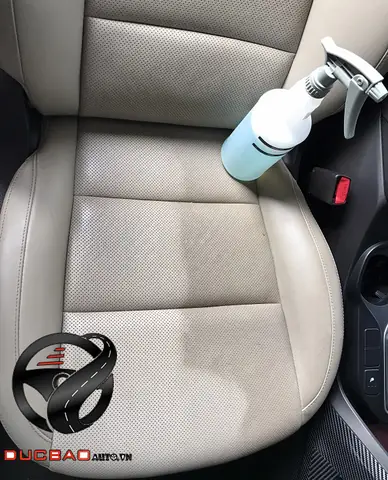
- Apply Cleaner: Spray the leather cleaner evenly. Avoid saturating the leather—aim for a light mist.
- Work with a Microfiber Cloth: Starting from the top, gently rub in circular motions. The microfiber traps dirt without scratching.
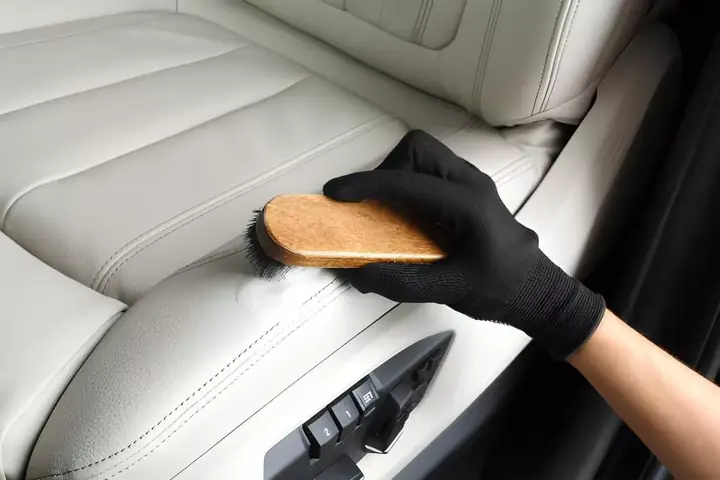
- Address Stains: For stubborn spots, use a soft-bristle brush (included with many kits) and a bit more product. Avoid aggressive scrubbing, which can damage the grain.
3. Conditioning & Protection
- Choose a Conditioner: Popular choices in 2026 include Leatherology Deep Moisture ($29.95) and Chemical Guys’ Leather Conditioner ($19.95).
- Apply thinly: Saturate a clean microfiber towel with conditioner and wipe across the seat. Focus on areas that appear dry or cracked.
- Allow Absorption: Let the conditioner sit for 15–30 minutes. This period allows the natural oils to penetrate deep into the leather fibers.
4. UV Protection (Optional but Recommended)
Có thể bạn quan tâm: Vị Trí Ghế Xe Phương Trang: Hướng Dẫn Cách Bày Trí Và Lắp Đặt Để Tối Ưu Không Gian
- Apply UV Shield: If you live in a sunny climate, spray Leatherology UV Shield evenly. The formula creates a protective barrier against UV rays.
- Buff Gently: Using a clean microfiber cloth, lightly buff to a subtle shine.
5. Drying & Final Inspection
- Air Dry: Allow seats to air dry naturally. Avoid direct heat sources (hair dryers, heaters) as they can cause cracking.
- Inspect: Look for any missed spots, residue, or uneven conditioning. Touch the surface—leather should feel soft, not sticky.
Maintenance Tips to Extend Leather Life (2026 Insights)
- Regular Dust‑Off: A quick wipe with a dry microfiber cloth weekly removes surface dust before it embeds.
- Avoid Sunlight: When parking, use windshield sunshades or park in shaded areas. UV exposure is the leading cause of leather aging.
- Use Leather Conditioners Sparingly: Over‑conditioning can lead to a greasy feel and attract dirt. Follow the product’s recommended schedule (usually every 3–4 months).
- Clean Spills Immediately: Blot (don’t rub) with a clean cloth. For food/drink stains, consider a specialized stain remover like Stain Slayer Leather Formula ($24.99).
- Protective Sprays: In high‑humidity or rainy regions, a water‑repellent spray (e.g., RainGuard Leather Shield, $27.50) can prevent water spots.
- Professional Check‑Ups: Even diligent DIY care benefits from a professional detail every 12–18 months. Many shops now offer mobile services, bringing their own 2026‑tech equipment directly to your location.
Common Mistakes to Avoid (2026 Expert Advice)
- Using Household Cleaners: Products like dish soap or vinegar can strip natural oils, leading to dryness and cracks.
- Excessive Water: Over‑wetting can seep into the seat structure, causing mold and mildew.
- Harsh Brushes: Rough bristles scratch the leather grain. Stick to soft microfiber or leather‑specific brushes.
- Skipping Conditioning: Many owners think cleaning alone is enough. Conditioning replenishes lost moisture and prevents cracks.
- Neglecting Seams: Dirt accumulates in stitching. Use a soft brush or a cotton swab to clean these areas.
DIY vs. Professional Cleaning: Which Should You Choose in 2026?
| Factor | DIY (Home Kits) | Professional Service |
|---|---|---|
| Cost | $30‑$150 for kits; reusable | $80‑$200 per session |
| Convenience | Flexible timing, can do at home | Requires scheduling, but often includes pickup/drop-off |
| Equipment Quality | High‑end consumer products (e.g., Meguiar’s, Chemical Guys) | Commercial-grade machines (steam cleaners, leather refinishers) |
| Expertise | Requires reading instructions; learning curve | Trained detailers with years of experience |
| Time Investment | 1‑2 hours per deep clean | 30‑45 minutes (plus travel) |
| Warranty/Insurance | None (self‑risk) | Usually covered under shop insurance |
If you have a small fleet (e.g., delivery vans) or high‑value classic cars, the professional route often yields superior, longer‑lasting results. However, for everyday passenger vehicles, a well‑executed DIY routine using 2026‑era products can be cost‑effective and satisfying.
Buying Guide: Selecting the Right Leather Care System (2026)
1. Determine Your Needs
- Budget‑Conscious: Start with a basic cleaner‑conditioner combo (e.g., Chemical Guys’ Leather Cleaner & Conditioner).
- Premium Care: Invest in a full kit like Renew Leather Studio Premium Kit for deep, long‑term protection.
- UV‑Heavy Climate: Prioritize UV shields (e.g., Leatherology UV Shield).
2. Check Compatibility
Có thể bạn quan tâm: Tác Dụng Của Ghế Tình Yêu Của Ngọc Trinh
- Leather Type: Whether your seats are full‑grain, top‑grain, or bonded leather influences product choice. Most modern cleaners are versatile, but verify.
- Vehicle Interior Color: Darker leathers may show polish residues; lighter leathers can benefit from UV protection to prevent yellowing.
3. Read the Latest Reviews (2026)
- Amazon & Trustpilot: Look for products with >4.5 stars and recent (2025‑2026) reviews.
- YouTube Tutorials: Channels like Detailing World and CarCare Clinic frequently review new releases.
- Forums: Reddit’s r/CarDetailing and the Car Talk community often discuss real‑world performance.
4. Consider Bundle Deals
- Many retailers offer “Complete Leather Care Kits” that include cleaner, conditioner, protectant, and applicators at a discounted price (often 15‑20 % off individual purchases).
Future‑Proofing Your Leather Seats (2026 Innovations)
- Nanotech Protective Coatings: Companies like NanoCoat Auto are releasing nano‑silica sprays that create a microscopic barrier against spills and UV. Early adopters report a 12‑month increase in stain resistance.
- Smart Moisture Meters: Devices such as Leatherman LM‑200 allow you to measure leather moisture levels, guiding you on when to condition.
- Recyclable Packaging: Eco‑focused brands are shifting to recyclable or reusable containers, aligning with 2026 sustainability goals.
Keeping an eye on these emerging technologies can help you stay ahead of wear and maximize the lifespan of your leather seats.
Conclusion: Keep Your Leather Seats Looking New in 2026
Maintaining leather car seats is a blend of regular upkeep, the right products, and a bit of know‑how. By following the step‑by‑step deep‑clean process outlined above, using the top‑rated 2026 cleaners and conditioners, and avoiding common pitfalls, you can preserve the luxurious feel and appearance of your vehicle’s interior for years to come.
Remember to:
- Clean regularly, adjusting frequency to your usage.
- Choose eco‑friendly, UV‑protective formulas where possible.
- Condition consistently, but not excessively.
- Protect against sunlight and spills with modern shields.
- Consider professional services for occasional deep treatments or when dealing with stubborn stains.
With the right approach and the latest products on the market, your leather seats will continue to offer comfort, style, and a touch of elegance—whether you’re commuting, running errands, or embarking on a road trip. Happy detailing!


